
Armenia has already made a clear decision: South Caucasus Railway (SCR) will no longer manage the country’s railway network. The only question facing the Armenian authorities is how to bring about this change. In other words, SCR’s concession agreement can be terminated in several ways. The most desirable and advantageous option is to sell the concession to another country. Armenian representatives at the highest level continue to propose this option and urge Russia to choose it. Previously, when asked about alternatives, they stated that Armenia was not considering any other options. Now, however, various government representatives are increasingly willing to discuss alternatives openly. The most obvious of these is to resolve the matter through arbitration in Paris, as provided for in the concession agreement.
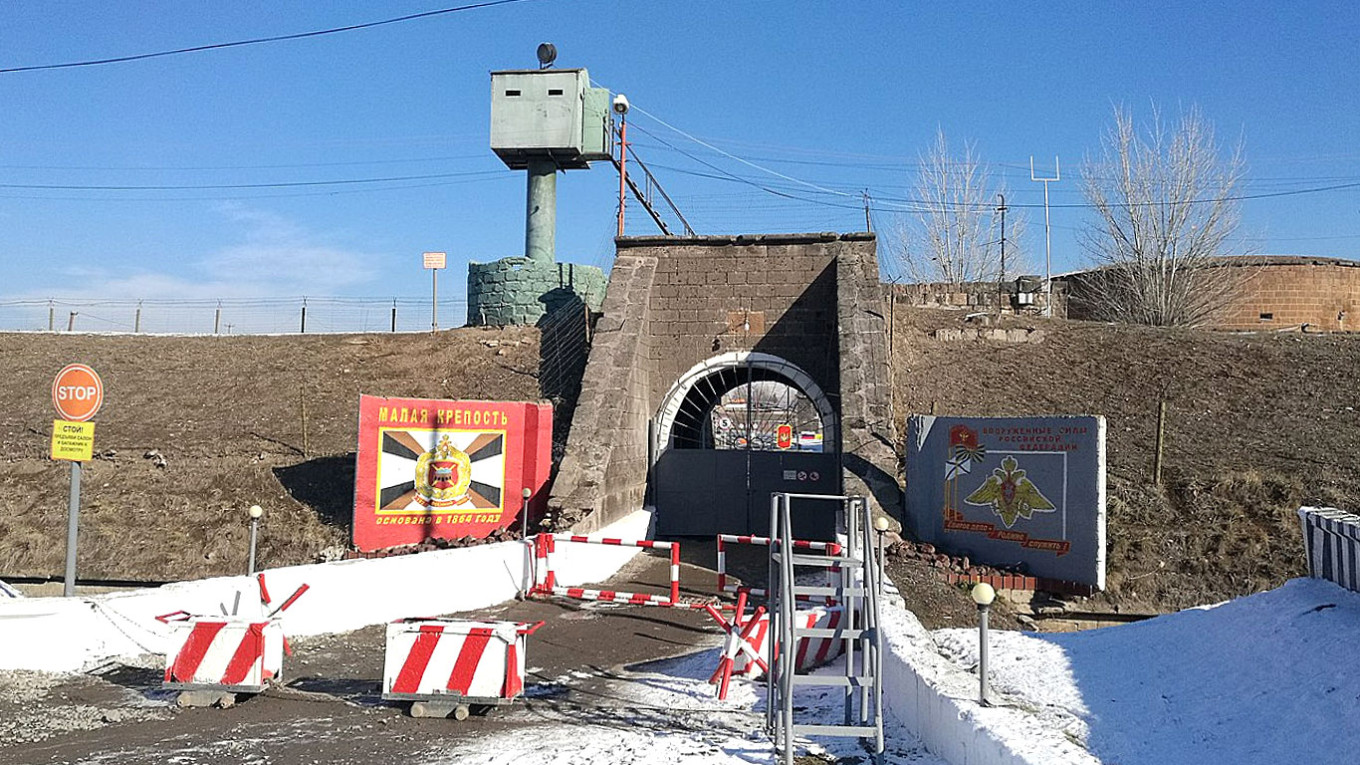
Meanwhile, other issues are surfacing in Armenian–Russian relations. Although they may appear unrelated to a change in SCR’s concession arrangements, a closer examination suggests that there may be a connection. This concerns, above all, the Russian military base in Gyumri, an issue that has “unexpectedly” entered public debate in recent days and is now being actively discussed. Despite repeated statements from Armenia that the withdrawal of the Russian base is not under consideration, the Russian media continue to raise the issue. Why?
There are two apparent explanations. First, in response to certain statements suggesting that Russia would demand an exorbitant amount in “compensation” for relinquishing the SCR concession—between USD 400 million and USD 1 billion—the Armenian side may have hinted at introducing charges for the Russian base’s presence in Armenia, while also ceasing to cover its expenses. Pashinyan’s statement that Russia could withdraw the base if it wished lends support to this interpretation. If, however, Russia wished to maintain its military presence in Armenia, that too could be discussed.
Second, Russia may itself have decided to raise the issue of the base, believing that it could thereby pressure Armenia into making political decisions favourable to the Kremlin. In other words, Russia is resorting to blackmail: unless you change your position on SCR and agree to make decisions in line with Russia’s interests, we will withdraw the base, and your level of security will decline. The part of Pashinyan’s statement describing the Russian base’s contribution to Armenia’s security as close to zero supports this interpretation.
In either case, the emergence of the Russian military base as a subject of active debate cannot be viewed in isolation from the SCR concession issue. Both are part of a reassessment of Armenian–Russian relations. Moreover, they are interconnected within the broader context of conflicting Armenian and Russian interests. It remains to be hoped that the Armenian authorities will stand firm and continue to defend Armenia’s interests, regardless of Russia’s direct or indirect threats concerning the base or other matters.
Narek Minasyan
This article was produced by the Armenian Council Research Center with the support of the Yerevan Office of the Friedrich Naumann Foundation for Freedom’s South Caucasus regional programme.
The opinions and positions expressed in this article do not necessarily reflect the views of the Friedrich Naumann Foundation for Freedom or its staff.