
The year 2008 will be remembered with sorrow in Armenia’s modern history not only because of the tragic events of March 1. In the same year, the authorities of the Republic of Armenia concluded another deeply controversial deal by signing the concession agreement transferring the management of Armenia’s railway to South Caucasus Railway CJSC.
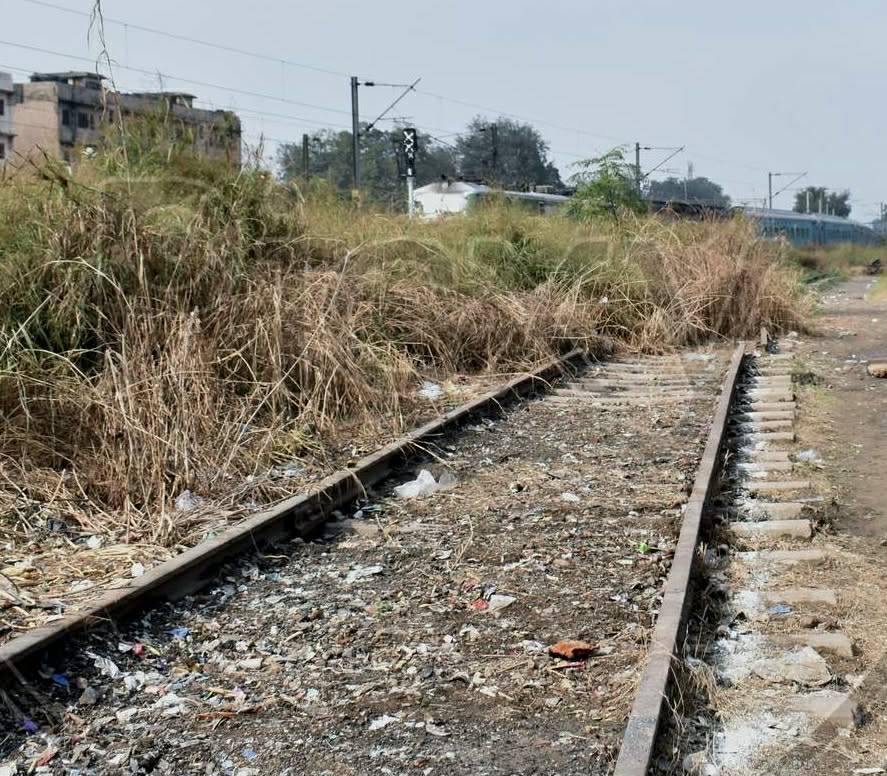
Over the past 18 years, that ill-fated agreement has not, in itself, generated meaningful infrastructural or economic advantages for Armenia. Moreover, negligent management by the concessionaire and numerous breaches of contractual obligations have led to a deteriorating situation. In the current geopolitical and regional political environment, the company’s management has become a key factor hindering Armenia’s progress. The negative impact stems not only from the unresolved moral and physical obsolescence of technical and technological components, but also from the broader political context.
It is therefore unsurprising that, after Armenia formally approached the Russian company regarding the restoration of three railway sections, Prime Minister Nikol Pashinyan raised the possibility of reselling the concession. This implies that even if the concessionaire restores the Yeraskh–Azerbaijan, Ijevan–Azerbaijan, and Gyumri–Turkey sections, Armenia would still be unable to ensure railway transit through its territory—not only due to the technical condition of the infrastructure, but also because of the political situation surrounding Russia.
Although Russian officials reacted sharply and negatively to the proposal, several objective factors suggest that a sale remains possible. First, under the current circumstances, Armenia is likely to continue insisting on the necessity of substantial investments within a short timeframe—particularly given that, under existing agreements, in the event of border unblocking the concessionaire is obligated to make investments exceeding USD 1 billion. It is highly doubtful that the Russian company currently possesses the capacity to undertake such large-scale investments.
In addition, the concessionaire’s parent company, Russian Railways, is facing significant financial difficulties and has reportedly put several of its assets up for sale in an effort to ease its financial burden. According to media reports, Russian Railways is struggling even to meet Russia’s domestic railway needs. A substantial financial inflow could therefore be an incentive for the company.
There is also a third factor that could influence a decision to sell the concession: Armenia’s potential to terminate the 2008 agreement through judicial proceedings on the grounds of multiple contractual violations. In other words, if the Russian company refuses to sell the concession, Armenia may also pursue a more confrontational legal path.
Overall, Armenia now finds itself in a situation where further development appears possible only if the current railway management arrangement is terminated. While the timing and price at which Armenia’s railway may once again be called “Armenian” are important considerations,
resolving this issue—given its vital strategic significance—remains imperative under any circumstances.